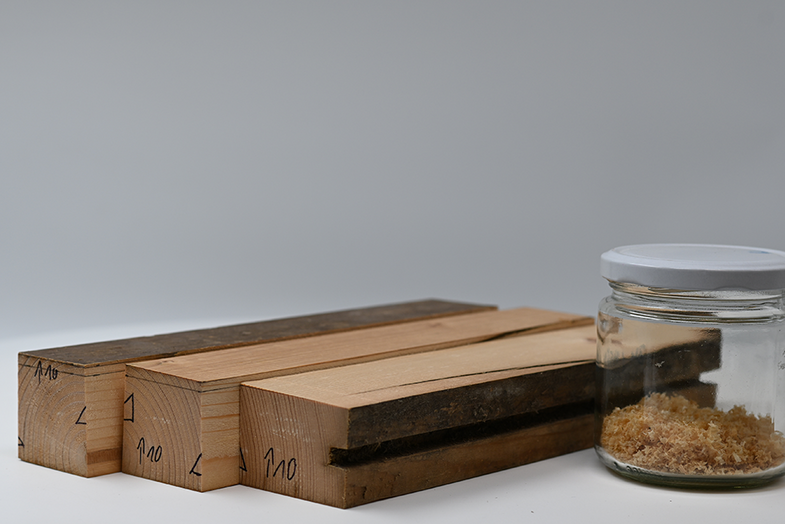
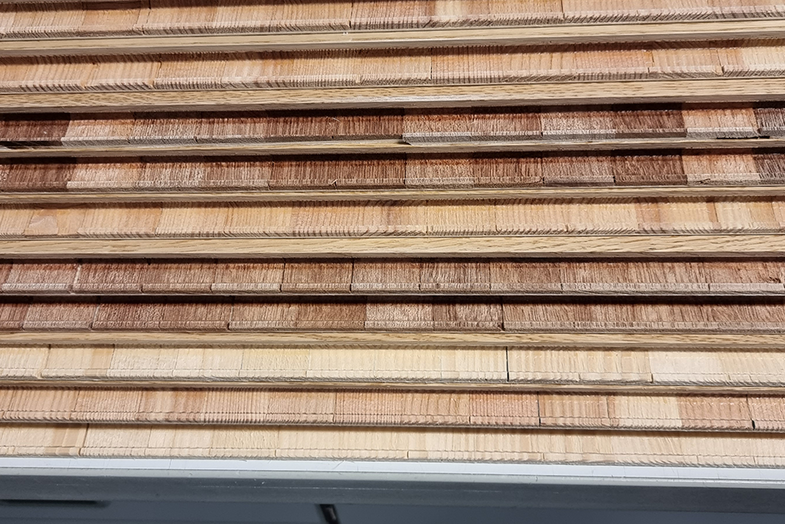
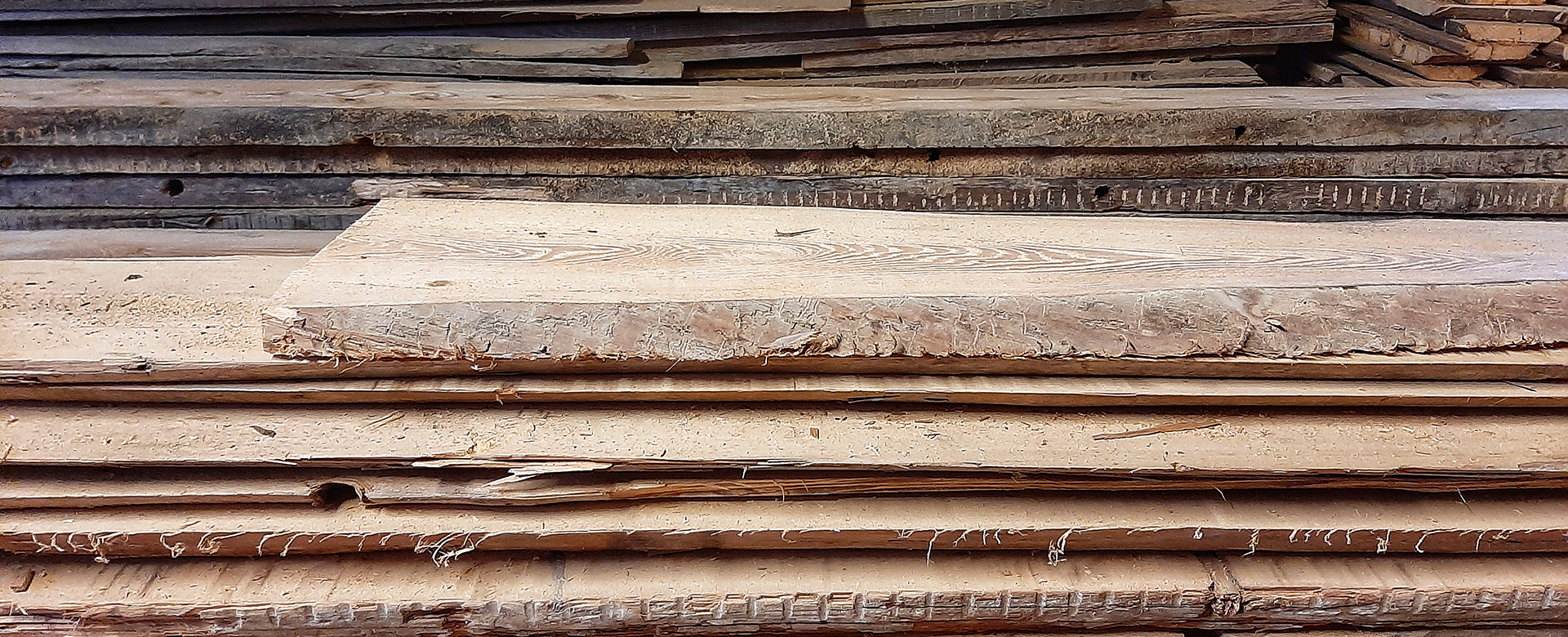
The European market is changing, and ecological considerations are dominating product development. Since primary raw materials often require significant process energy and involve long transport routes, there is a strong focus on secondary raw materials. Materials or entire structures that have reached the end of their initial product life cycle are no longer primarily seen as waste to be disposed of, but rather as valuable sources of raw materials. High recycling rates are already being achieved in some sectors, although there is considerable potential for optimization in all sectors. We support our clients in addressing these challenging issues, many of which are still lacking a clearly defined legal framework.

We offer
Raw material analysis
In addition to primary functional properties such as strength and surface finish, our tests focus primarily on contamination. Previous use and prior approvals can result in contamination with substances that are now assessed differently from an environmental perspective than during the time of primary use. Depending on the specific question, our analysis examines the entire material, its surface, or depth profiles to document the decrease in contamination across the cross-section. Based on this, we conduct a subsequent potential analysis for secondary use.
Life cycle analysis
The use of secondary resources usually means the partial replacement of primary resources. Comparative life cycle analyses in particular reveal which measures achieve how much leverage and reveal relevant fields of action. The comparative life cycle assessment clarifies the extent to which optimizations can be achieved when secondary resources are used, or whether rebound effects occur beyond a certain point.
Exposure analysis
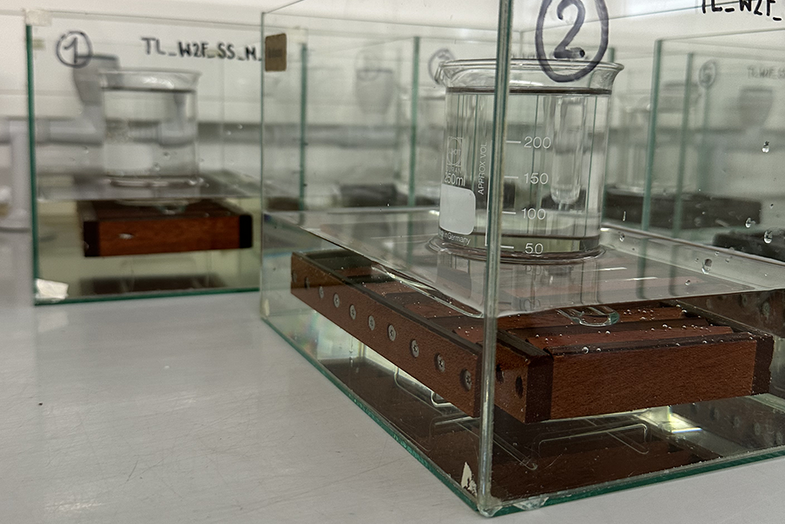
Exposures are usually simulated on prototypes. These can be conducted on a laboratory scale or a 1:1 scale. They reveal both the functionality of a novel solution based on secondary resources and any interactions between materials. The potential release of contaminants is particularly important. Emission or leching tests assess whether these are ecologically relevant.
Potential assessment
Secondary raw materials are often separated down to the material level and their structure is either unchanged or homogenized. In other cases, material separation is not necessary. The best circular solutions can be found for each type of residual material. There are usually no one-size-fits-all solutions, as the usable potential is strongly influenced by framework conditions such as raw material origin, established processes, and potential sales markets. We support our customers in navigating these decision-making processes.
Contact persons
Chemical analysis

Circularity potential

Life cycle analysis